How to Smoke Pork Butt for Perfect Pulled Pork Every Time | Brown Family BBQ
Learn how I smoke pork butt for juicy, tender pulled pork every time. Step-by-step instructions, temperatures, wood recommendations, and pitmaster tips from Brown Family BBQ.
BBQ RECIPESBBQ TECHNIQUESPITMASTER TIPS
How I Smoke Pork Butt for Perfect Pulled Pork Every Time
If there's one thing I never get tired of cooking, it's a pork butt.
There's something about firing up the smoker before sunrise, smelling hickory smoke rolling through the backyard, and knowing that by dinner you've got a mountain of tender pulled pork waiting for family and friends.
People ask me all the time,
"Mike, what's the secret to great pulled pork?"
The answer usually surprises them.
There isn't one secret.
It's a series of simple steps done consistently.
Over the years, Bubba, Nick, and I have cooked plenty of pork butts and drunk lots of Busch Light. Some turned out incredible. A few...well, let's just say they became learning experiences. Every cook taught us something, and today our process is pretty simple because we've learned not to overcomplicate it.
If you're just getting started, I'll walk you through exactly how I do it.
Start With the Right Cut
One of the biggest misconceptions is that pork butt comes from the back end of the pig.
It doesn't.
Pork butt—also called Boston butt—comes from the upper shoulder.
It's loaded with fat and connective tissue, and that's exactly what makes it perfect for smoking.
As that fat slowly renders, it creates tender, juicy pulled pork that's hard to beat.
Whenever I'm shopping, I look for:
Good marbling
A nice fat cap
Even shape
Bone-in whenever possible
Bone-in pork butts seem to cook a little more evenly, and there's nothing more satisfying than grabbing that bone and having it slide right out.
Trim...But Don't Go Crazy
Some people trim almost all the fat away.
I don't.
I'll remove any loose flaps of meat and trim excessively thick fat, but I leave enough to protect the meat during a long cook.
Remember, fat equals flavor.
My Favorite Pork Rub
At Brown Family BBQ, we like a balanced rub.
Sweet.
Savory.
A little heat.
Enough salt to wake everything up.
I coat the pork generously on every side.
Don't be shy.
That bark you're after starts with seasoning.
Once it's coated, I let the pork sit while the smoker comes up to temperature.
My Cooking Temperature
People love arguing about temperatures.
I'm more interested in results.
I usually smoke pork butt between 250°F and 275°F.
That range gives me a beautiful bark, renders the fat well, and keeps the cook moving without sacrificing tenderness.
Bubba jokes that if you're staring at the thermometer more than you're enjoying the cook, you're probably overthinking it.
He's usually right.
The Best Wood for Pork
If you've read my rib article, you already know where I stand.
Hickory is my go-to.
It delivers bold smoke without overpowering the pork.
Sometimes I'll mix in a little apple wood when I'm looking for a slightly sweeter finish.
Whatever you choose, remember this:
Thin blue smoke beats thick white smoke every single time.
The Stall Isn't Your Enemy
Sooner or later your pork butt will hit around 160°F to 170°F, and the temperature will seem to stop climbing.
This is called "the stall."
The first time it happened to me, I thought something was wrong.
Nothing was wrong.
The meat was simply cooling itself through evaporation.
Be patient.
You can wait it out or wrap the pork if you're trying to speed things up.
Neither choice is wrong.
Should You Wrap It?
Sometimes I do.
Sometimes I don't.
If I'm cooking for family and have plenty of time, I usually let it ride.
If I'm cooking on a schedule or trying to preserve a little more moisture, I'll wrap it in butcher paper or foil once the bark has developed.
The key is waiting until the bark is where you want it.
Wrap too early, and you'll miss out on one of the best parts of smoked pork.
Forget the Clock
This might be the biggest lesson I've learned.
Don't cook by time.
Cook by feel.
Every pork butt has its own schedule.
Some finish faster.
Some seem determined to stay on the smoker forever.
Instead of watching the clock, I pay attention to how the probe slides into the meat.
When it feels like pushing through warm butter, it's ready.
Let It Rest
You've invested most of your day cooking this pork.
Don't ruin it by pulling it apart immediately.
I let mine rest for at least an hour, and sometimes even longer if it's wrapped and resting in a cooler.
That rest makes a huge difference in moisture.
Nick learned that lesson pretty quickly after we rushed one off the smoker years ago.
Now he's the first one reminding everyone to let it rest.
Pulling the Pork
Once it's rested, I pull the bone.
If it slides out clean, that's always a good sign.
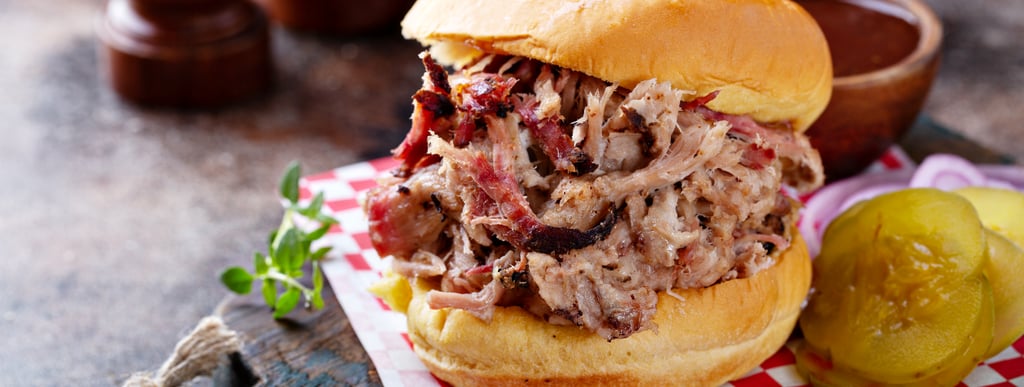
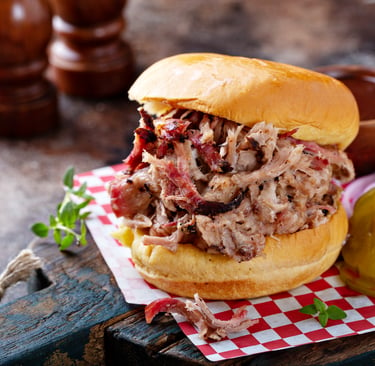
Then I shred the pork by hand or with meat claws, mixing the bark throughout the meat so every bite has flavor.
Don't throw away those darker bark pieces.
That's barbecue gold.
My Favorite Way to Serve It
I like keeping things simple.
A soft bun.
Creamy coleslaw.
A little Carolina vinegar sauce.
That's it.
Sometimes the simplest meals are the best ones.
Mike's Pitmaster Tips
Over the years, these little habits have made the biggest difference.
Buy good-quality pork.
Keep your temperatures steady.
Resist opening the smoker every few minutes.
Cook until the meat is tender—not until the timer says it's done.
Let it rest before pulling.
Save the drippings and mix a little back into the pork.
Write down what worked so you can repeat it next time.
Frequently Asked Questions
How long does it take to smoke a pork butt?
Most pork butts take somewhere between 8 and 12 hours, depending on size, cooking temperature, weather, and your smoker.
That's why I never cook by time alone.
What temperature should pork butt be when it's done?
I usually start checking for tenderness around 195°F, but I'm really looking for how the probe feels.
When it slides in with almost no resistance, that's when I know it's ready.
Should I spritz pork butt?
Sometimes.
If the surface starts looking dry, a light spritz can help.
There's no need to soak it.
Can I make pulled pork ahead of time?
Absolutely.
Pulled pork reheats extremely well, making it perfect for parties, family gatherings, and meal prep.
Final Thoughts
One of the things I love most about barbecue is that it brings people together.
Some of my favorite memories involve standing around the smoker with Bubba, talking about everything and nothing while checking the fire.
Now Nick's right there with us, learning the same lessons we learned years ago.
That's what Brown Family BBQ is all about.
Sure, we love great barbecue.
But we also love the conversations, the laughs, the stories, and the memories that happen while the food is cooking.
If you're new to smoking pork butt, don't worry about making it perfect.
Just get started.
Every cook teaches you something.
I still learn something every time I light the smoker, and that's exactly why I love doing it.
If you give this method a try, I'd love to hear how it turned out. Thanks for stopping by Brown Family BBQ. We appreciate you being here, and we hope you'll stick around as we continue sharing recipes, techniques, and everything we've learned around the smoker.
Quick Reference Guide
Cook Temperature: 250°F–275°F
Preferred Wood: Hickory (primary), Apple (optional blend)
Estimated Cook Time: 8–12 hours
Wrap: Optional after bark develops
Rest Time: Minimum 1 hour
Target Doneness: Probe tender (usually around 195°F–205°F)
Next Steps
If this is your first pork butt, I also recommend checking out these guides here on Brown Family BBQ:
17 BBQ Mistakes That Are Ruining Your Cook – Learn the biggest mistakes I see beginners make and how to avoid them.
Authentic Carolina Vinegar BBQ Sauce Recipe – My favorite finishing sauce for pulled pork sandwiches.
How I Smoke St. Louis Style Ribs That Stay Juicy Every Time – My complete guide to consistently great ribs.
The more you cook, the more confident you'll become—and before long, you'll be the one everyone calls when it's time to fire up the smoker.